
- English
- Login / Register
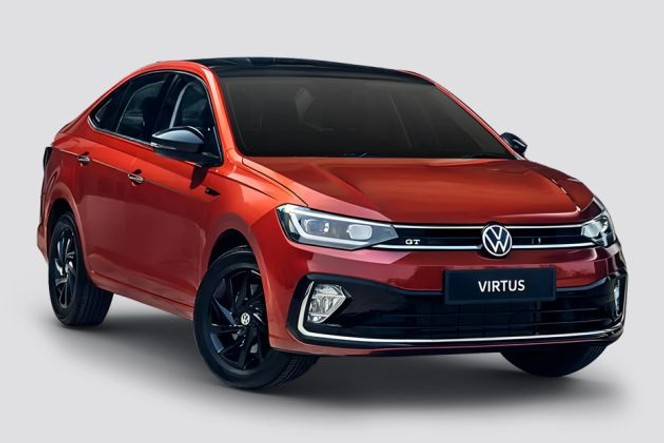

Volkswagen Virtus
Quick Insights
 Summary
Turbo punch, planted handling and sporty looks make the Virtus an enthusiast's dream. So-so cabin plastics dampen the experience.
- Starts from ₹12.39 L onroad
- Driver's sedan, turbo thrills
- 6 airbags standard
- 521-litres boot
- 5-seater
- 19.62kmpl
3 Top Picks12 variants available. Pick the best value at each price point.
6 airbags, 7" touchscreen, steering-mounted controls
16" alloys, cruise control, 10.1" touchscreen
Leatherette upholstery, ventilated seats, sunroof
Our VerdictFamily-friendly fun sedan

- Understated sporty stance, ages well
- Stays planted and calm through fast corners
- Turbo petrols pull hard, refined too
- Thirsty in town, pricey service bills add up
- Three across the back is a real squeeze
- Hard cabin plastics feel cheap for the money
Buying Insights Owner Reviews
Owners love the Volkswagen Virtus for its looks, ride and safety
- Touchscreen and connected tech
- Roomy cabin and large boot
- 5-star safety, 6 airbags standard
- Real-world mileage disappoints
- No diesel engine option
- Missing ADAS and 360-degree camera
Volkswagen Virtus specs & features
| Engine | 999 cc - 1498 cc |
| Power | 113.98 - 147.51 bhp |
| Torque | 178 Nm - 250 Nm |
| Transmission | Automatic / Manual |
| Mileage | 18.12 - 20.8 kmpl |
| Fuel | Petrol |
| Global NCAP Safety Rating | 5 Star |
Cylinder deactivation technology: Helps in increasing fuel efficiency in the 1.5-litre engine
Ventilated Front Seats: Adds more comfort on hot summer days
7-inch Digital Driver’s Display: Easy to navigate, customisable, and easy to read
- Key Specifications
- Highlights
Volkswagen Virtus price
Virtus has 12 variants from ₹10.50L across 1.0L TSI (115 PS / 178 Nm) with 6MT and 6-Tiptronic AT, and 1.5L TSI EVO with Active Cylinder Tech (150 PS / 250 Nm) with 7-DSG — Volkswagen's flagship sedan carrying German build quality at the C-segment value point. Comfortline (₹10.50L AT) is the safety base with 6 airbags, ESC, ABS, hill hold, 17.7cm touchscreen, fabric seats and 16-inch alloys. Highline (from ₹13.46L) is where it stops feeling basic — single-pane sunroof, climatronic AC, 25.6cm touchscreen with wireless CarPlay + Android Auto, push start, leatherette and rain sensors. Highline Plus (from ₹13.86L) adds ventilated front seats, 8-speaker audio with subwoofer, 20.32cm Virtual Cockpit, ambient lighting and electric driver seat. GT Line (from ₹14.10L) adds GT sport styling, paddle shifters and sport seats. Topline ES (from ₹15.11L) tops the 1.0L ladder with electric sunroof and wireless charger. GT Plus Sport DSG (₹19L) tops it off with the 1.5L EVO turbo, 7-DSG and GT sport pack. Most buyers land at Highline Plus MT (₹13.86L) — sunroof, wireless CarPlay, ventilated seats, 8-spk audio with sub, Virtual Cockpit and 6 airbags standard — without paying ~₹5.14L extra for GT Plus Sport DSG's 1.5L EVO turbo, 7-DSG and sport pack.
Volkswagen Virtus expert review
Overview
The Virtus is Volkswagen’s replacement for the Vento sedan that was discontinued back in 2022. It is one of the few sedans in the country under the Rs 25 lakh mark, and it goes up against models like the Hyundai Verna, Skoda Slavia, and Honda City.
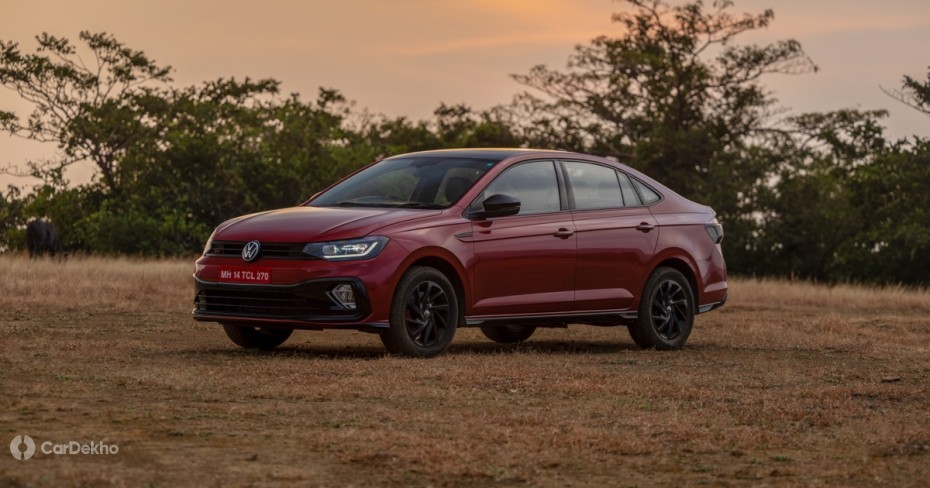
I’ve driven the Volkswagen Virtus extensively along with all its rivals, and it is clear that the Virtus is a driver’s car first, and then a family car. But does it ask for too much of a compromise on the needs of your family for its driving feels? Let’s find out.
Exterior
One quick look is all you need to figure out that the Volkswagen Virtus is a sporty-looking sedan. It might not have the typical trendy design cues like connected lighting, but it blends sophistication and sporty aesthetics beautifully. There are two design themes to choose from: ‘Sport’ and ‘Chrome’, depending on whether you want your Virtus to look sporty or classy.
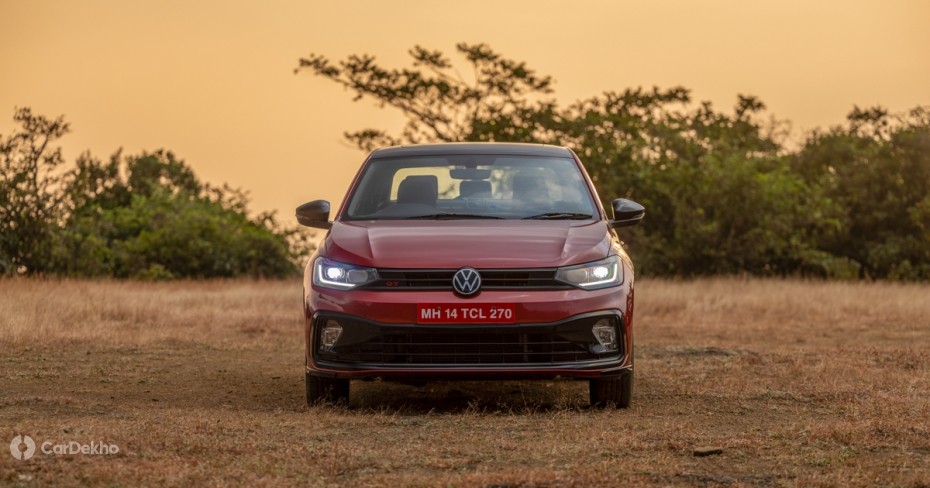
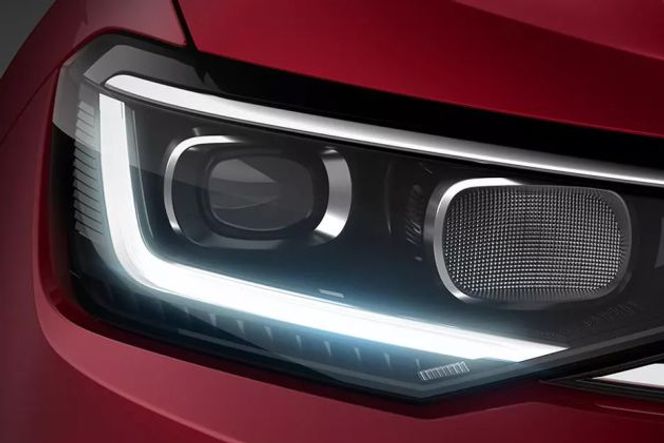
The front sports projector LED headlights that flank the sleek grille. The bumper houses a big air inlet for the radiator and chunky halogen fog lights. While the glossy black finish on the bumper looks great, it is prone to scratches from cleaning clothes.
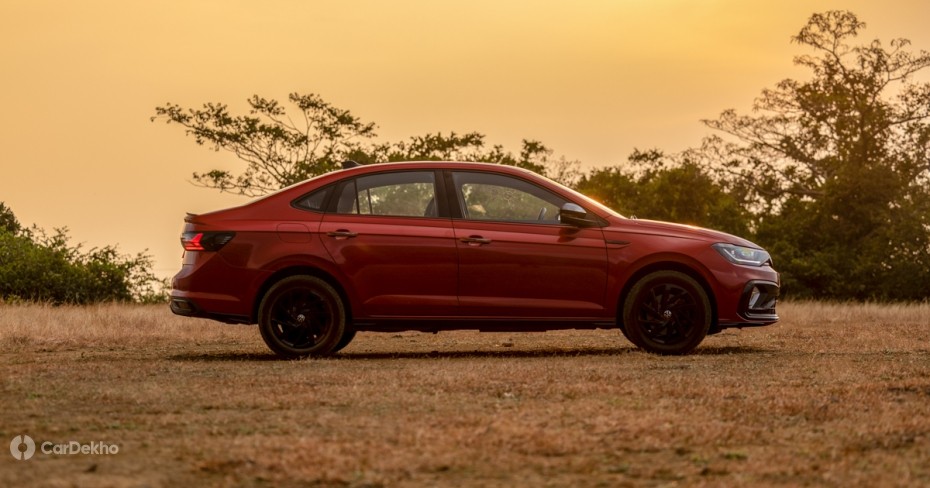
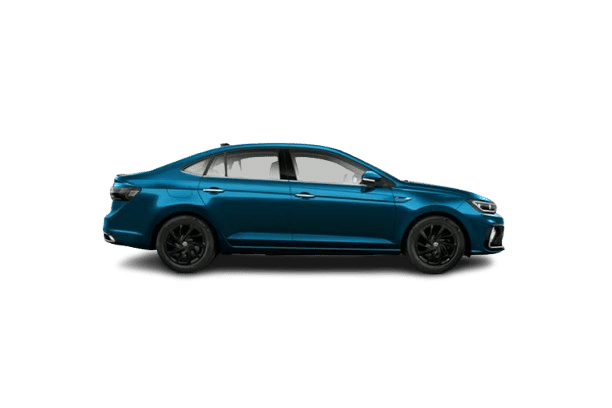
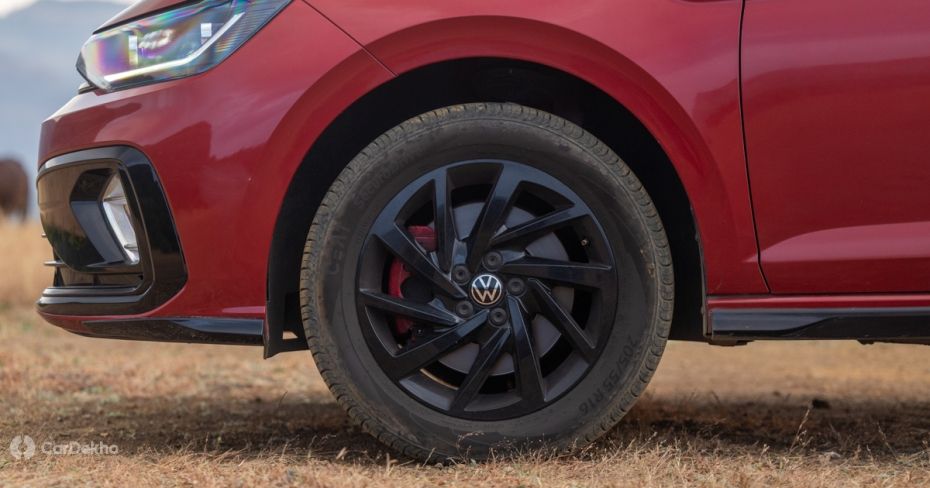
From the side, the classic sedan silhouette looks timeless. In the ‘Sport’ version, the 16-inch alloy wheels are finished in black and you get red brake callipers as well. The ‘Chrome’ version, on the other hand, features the same alloy wheels in a dual-tone finish. A sharp shoulder line starts on the fender and runs all the way back, eventually flowing into its wrap-around LED tail lights.
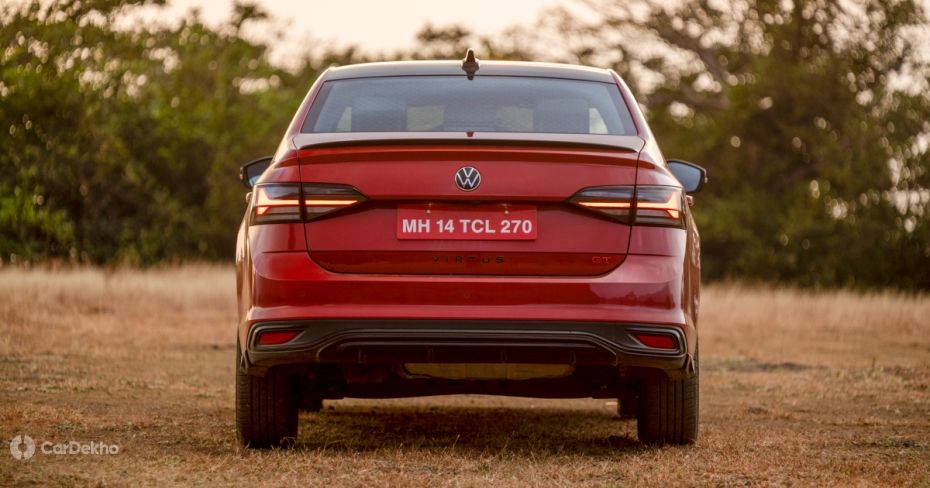
At the rear, the Virtus continues to look sporty courtesy the bootlip spoiler and smoked effect on the LED tail lamps. In terms of badging, you get a large Volkswagen logo and a ‘Virtus’ wordmark right below the number plate. The ‘GT’ variants additionally feature a GT badge on the bottom right.
While the design looks timeless, I wish Volkswagen corrected the stance of the car. Due its generous 179mm ground clearance, the Virtus’ looks a little lifted, especially from the rear. And for that reason, I can’t help but think that 17-inch alloys and a correction in ride height would make the car look even better.
Volkswagen offers the Virtus Sport in six colour options: Reflex Silver, Candy White, Wild Cherry Red, Carbon Steel Grey, Lava Blue, Rising Blue Metallic. There is also new Flash Red colour that is offered with the 1-litre GT Line variant for a limited period of time. It looks sporty and is reminiscent of the one offered in the VW Polo.
The Virtus Chrome is available in nine colours: Reflex Silver, Candy White, Wild Cherry Red, Carbon Steel Grey, Lava Blue, Rising Blue Metallic, Curcuma Yellow, Carbon Steel Grey Matte, and Deep Black Pearl.
I think the Carbon Steel Grey and even the Carbon Steel Grey Matte shades look really good on the Virtus, and they help enhance the sporty character of the sedan.
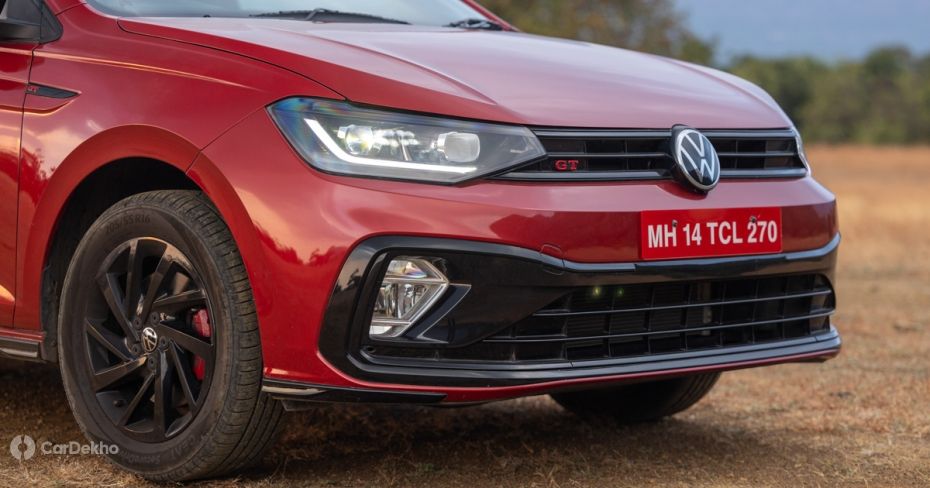
Overall, the Virtus manages to strike the right balance between subtle and sporty looks. There are no connected LEDs or quirky styling cues, and yet it looks like one of the most attractive options in its segment.
Interior
Design & Quality
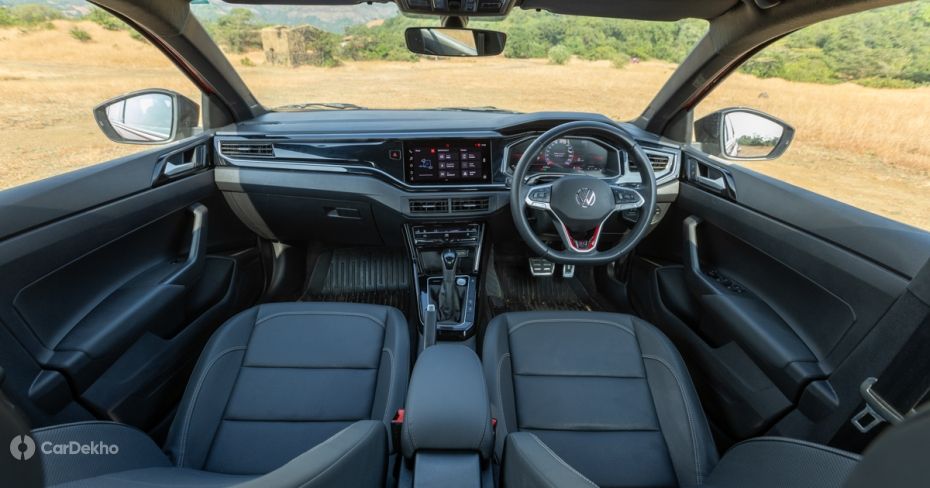
The dashboard of the Virtus carries a rather straightforward styling, irrespective of the variant. There’s a difference in the colour combination used — the ‘Sport’ variants get an all-black theme with red inserts, whereas the ‘Chrome’ variants feature a dual-tone black-beige theme.
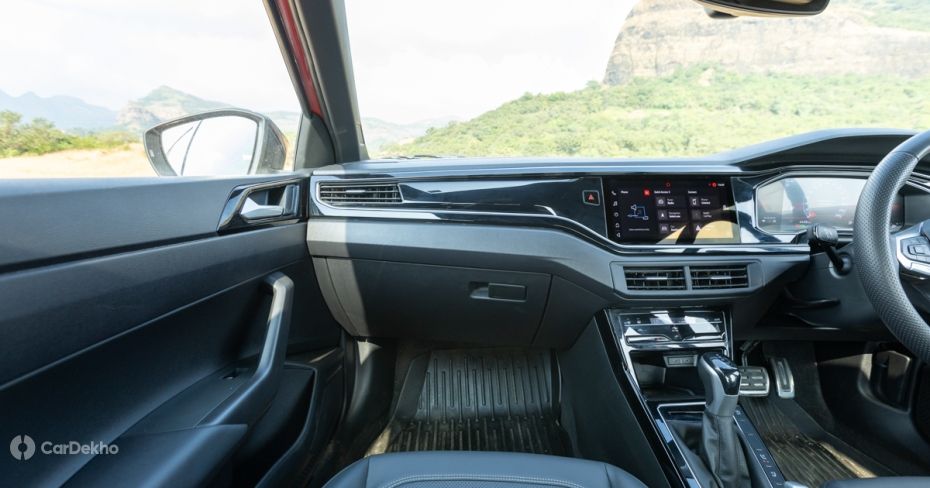
For a car that costs north of Rs 20 lakh on road for the higher variants, the Virtus’ cabin misses out on that premium feel that you’d expect at the price point and it is mostly down to the materials used inside. The hard and scratchy plastics used throughout the cabin take away from the feel-good factor. Soft touch leatherette can be found on the seats, central and door armrest, and the perforated leatherette on the steering wheel stands out. We’d have loved to see more soft-touch elements, especially on the dashboard and door cards.
There are no complaints in terms of the fit and finish as everything feels solid and well built.
Front Seats
To sit inside the Virtus, you have to duck slightly more than you would have to in an SUV to get in and out of the sedan. Although, the rear seat is placed a little higher, and the floor itself isn’t very high, which makes the overall ingress and egress a little easier.
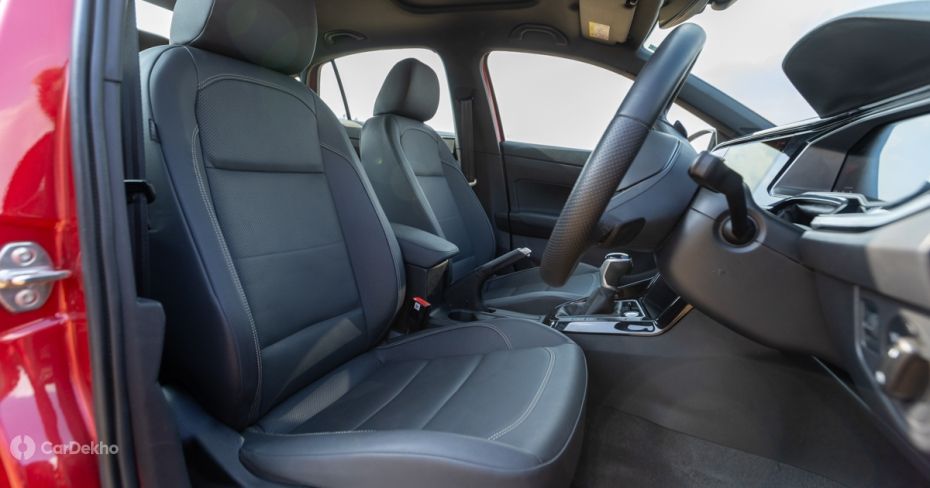
Once inside, the front seats offer good comfort and support to people of different sizes and shapes. The well defined side supports hug the occupants, and all passengers get adjustable headrests. In terms of the headroom on offer, even taller occupants won’t have any issues. There’s enough room to stretch out your legs as well.
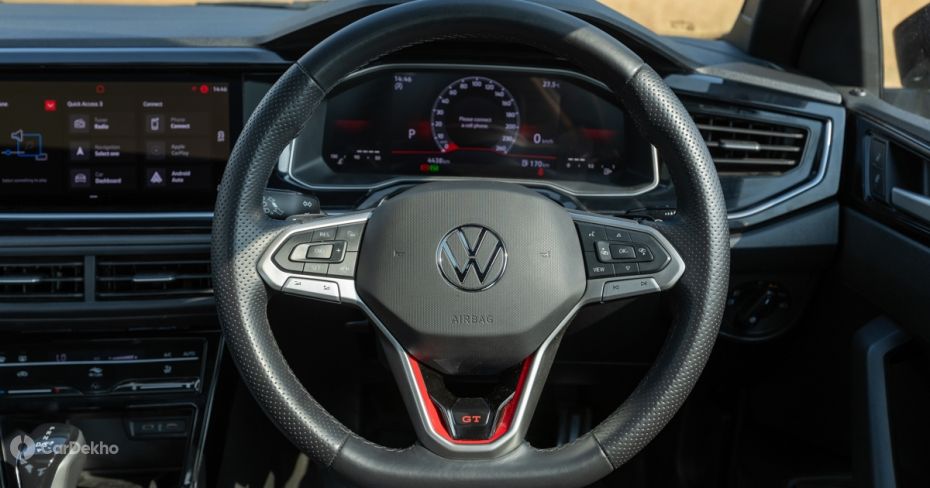
With tilt and telescopic steering wheel adjustment on offer, finding a comfortable driving position is easy, and enthusiasts will appreciate the sporty driving position too. The front armrest is adjustable, so you can move it forward in case you like driving close to the steering wheel.
Rear seat
If you’re considering the Volkswagen Virtus as a chauffeur driven car or are looking for a comfortable second row for your parents, then the sedan won’t disappoint. It offers a comfortable space for two people under 6’ft.
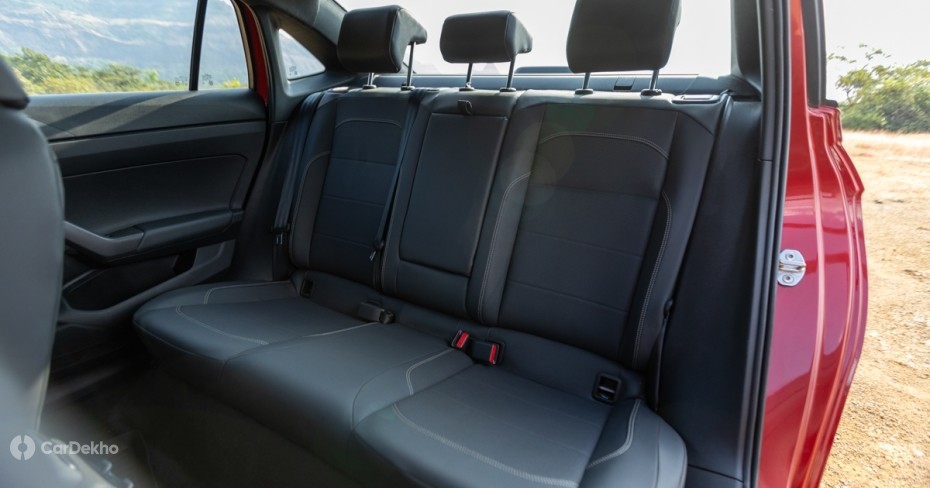
In terms of space in the head, knee and footroom department, you can seat two six footers back to back with room to stretch out their legs. Underthigh support is adequate, but headroom is restricted for taller passengers.
There is enough width to seat three occupants, but the backrest protrudes outwards, while the central tunnel also eats into the comfort and footroom of the middle passenger. This is why I’d recommend using the Virtus as a four-seater and enjoy the support of the well-contoured seats.
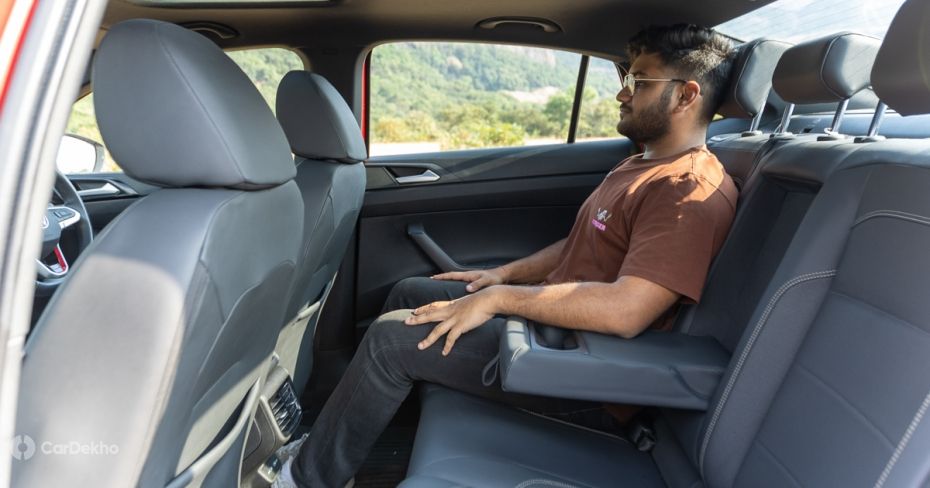
With cut outs in the C-pillar, a low window line and slightly higher seating position, occupants at the rear get a good frontal and side view.
To keep the rear occupants comfortable, the Virtus gets rear AC vents, a central armrest and storage spaces in the seat back pockets.
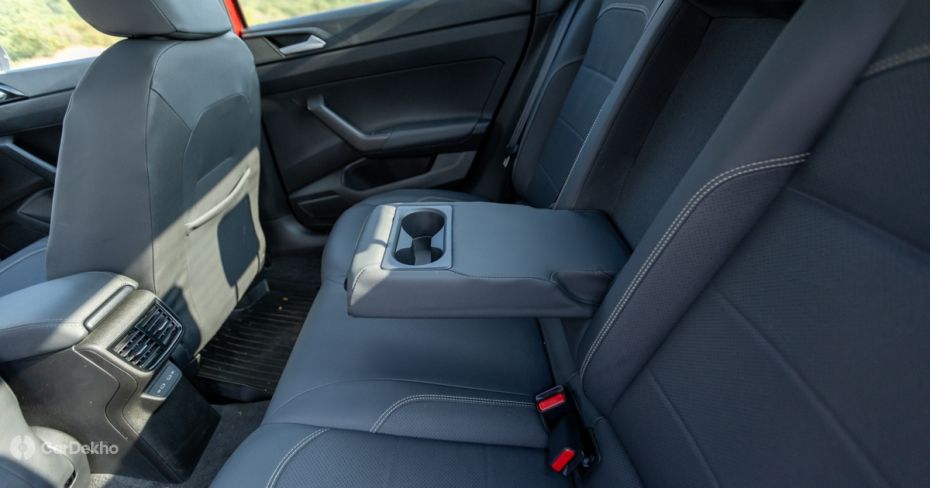
When compared to the segment, rivals like the Honda City and Hyundai Verna offer a better rear seat experience for three people.
Storage & Practicality
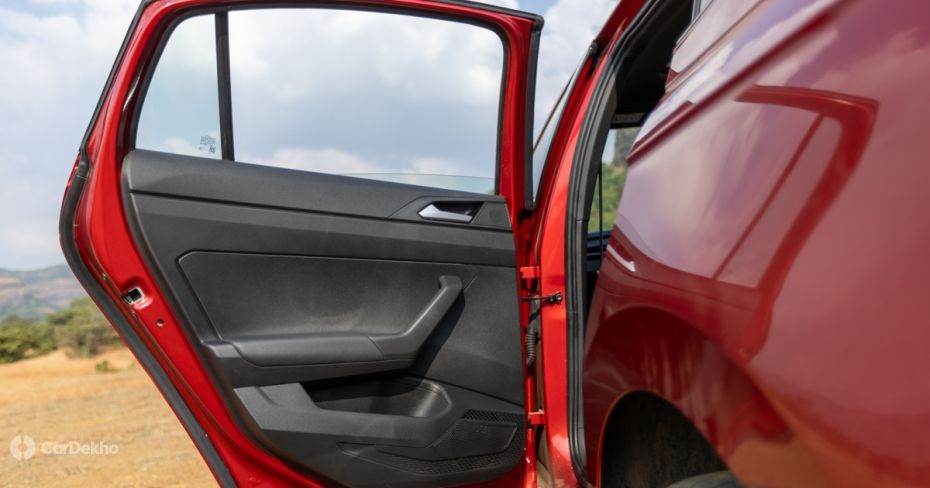
The in-cabin practicality of the Volkswagen Virtus is quite high. You get 1-litre bottle pockets on all four doors, while the two cup holders in the central console can be used to store your drinks.
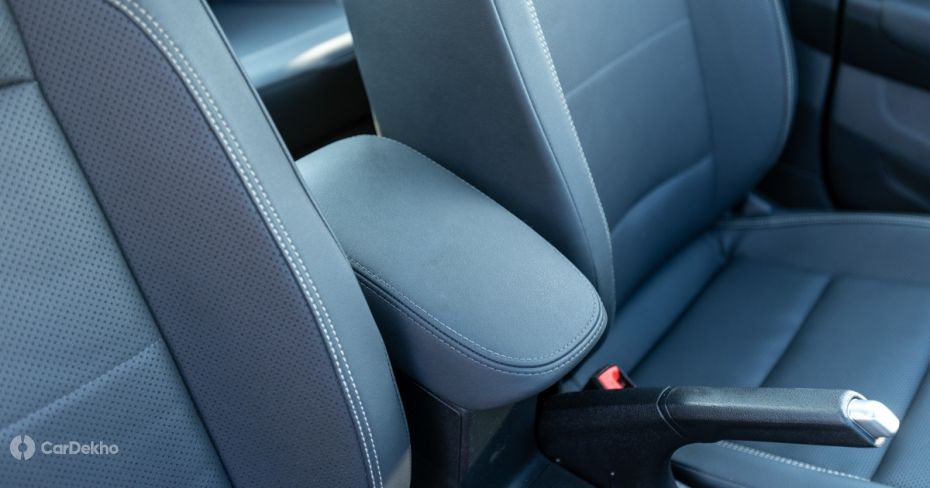
Loose stuff like wallets and keys can be stored in the wireless charging pad when it’s not in use, or you can alternatively store it under the central armrest. The glovebox compartment has a wide opening and a decent space to store your items. However, the glovebox isn’t cooled.
There are seatback pockets for the rear passengers along with two cupholders in the armrest.
Charging Options
The Volkswagen Virtus comes with a total of four type-C charging ports, with two ports at the front and two at the rear. The central tunnel also gets a 12V socket for accessories.
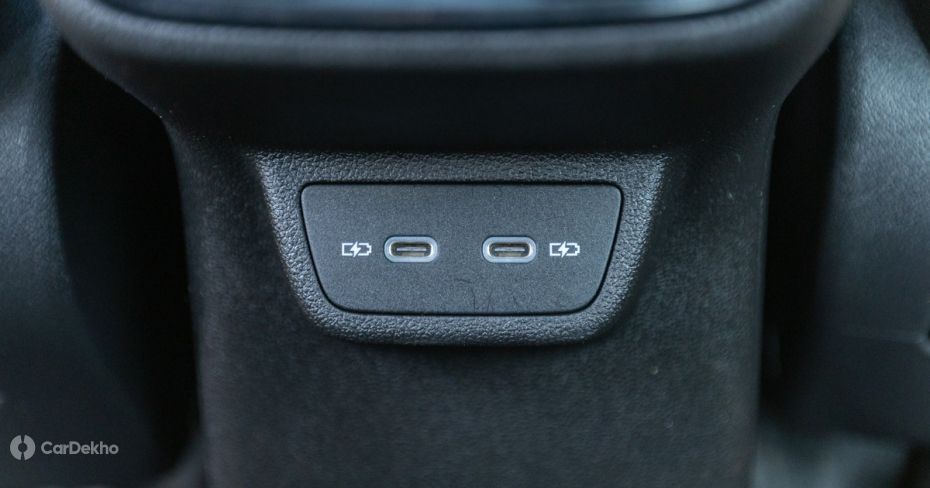
Overall, the Virtus’ cabin does not have that premium feel that its rivals like the Hyundai Verna offer, but it doesn’t ask for a compromise in terms of the space and practicality for a family of four. It has all the comfort and adjustment options that you and your family would need on a day to day basis, however.
Features (4 out of 5)
The Volkswagen Virtus packs a healthy list of features which covers all basic functional needs along with plenty of feel-good features.
| Functional Features |
| Keyless Entry |
| Push button start/stop |
| Auto headlamps |
| Cruise Control |
| Electrically Adjustable & Foldable ORVMs |
| Auto IRVM |
| Steering Mounted Controls |
| Electric sunroof |
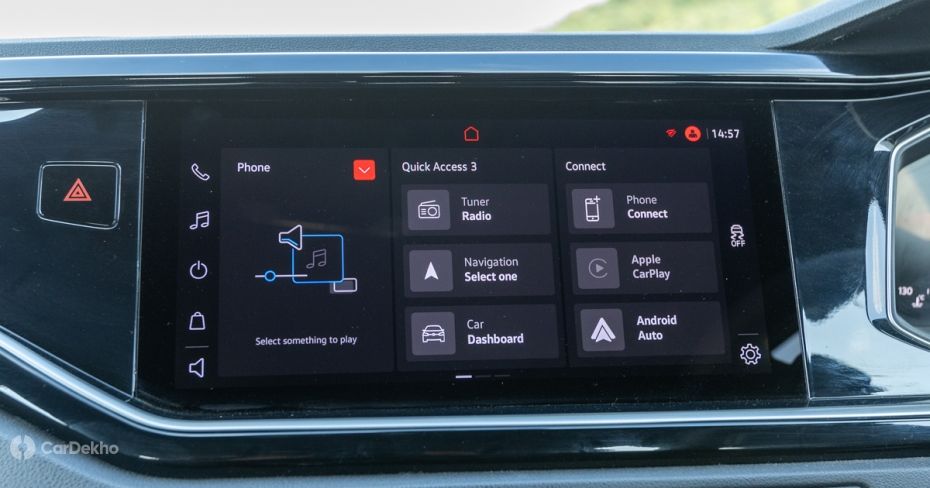
The highlight is a large 10.1-inch touchscreen, which gets wireless Android Auto and AppleCarPlay. The system is easy to use, has crisp graphics and a nice resolution as well. I didn’t face any issues in terms of lags or glitches, but I do wish that the carmaker offered a physical knob for volume control. Also, a crucial function such as electronic stability control can only be toggled using the touchscreen which is less than ideal. This system is paired with an 8-speaker sound system that offers acceptable audio quality. However, this system isn’t branded like the Hyundai Verna, that has a Bose audio system.
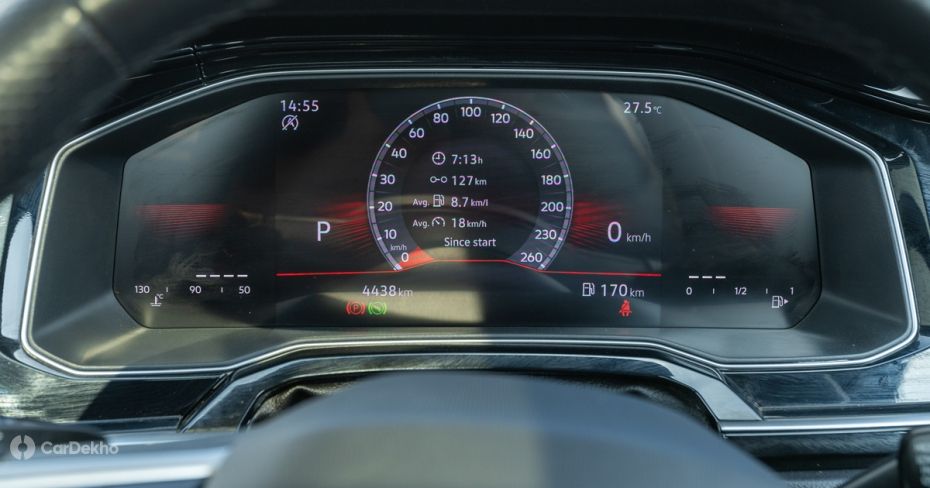
Complementing the infotainment system is an 8-inch digital driver’s display. It offers multiple view modes that relay plenty of information in a clear manner. Its resolution is bright and the graphics are crisp. The colour theme of this display is red or blue, depending on whether it’s the Sport or Chrome variant.
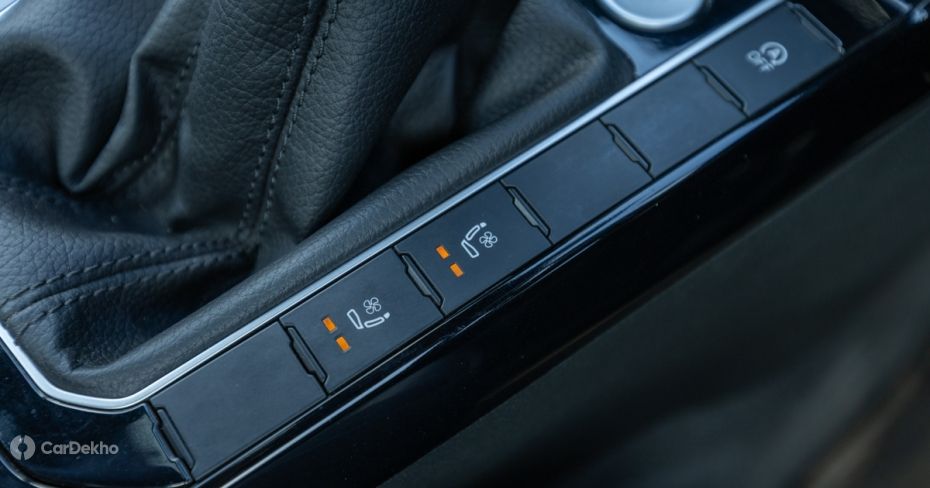
While the VW Virtus gets front ventilated seats, it falls a little short in terms of actual cooling. There are two levels on offer, but even at its highest level, the cooling doesn't seem as effective as its rivals like the Hyundai Verna offer. Moreover, you can even clearly hear the fan working hard when there’s no music playing in the car, and this noise should've been better controlled.
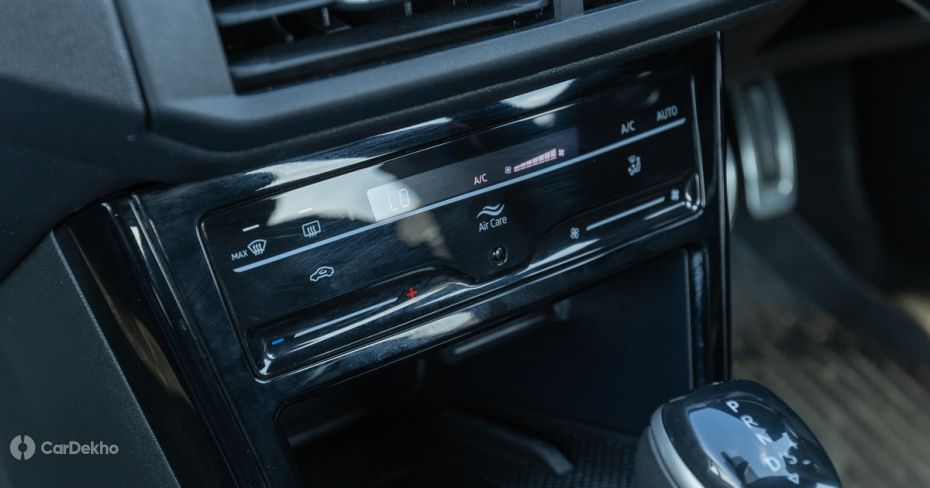
Auto AC is another function which could’ve been executed better in the Virtus. The touch-based system for changing the temperature and blower speed is not the easiest to use. Physical dials would’ve been better as the current setup requires additional effort and concentration to use the touch sensitive panel, which isn’t exactly ideal for the driver. Also, there were reports of issues with the air-conditioning on the earlier batches of Virtus. This issue seems to have been solved now, judging by customer reviews. Notably, we had no issues with air-conditioning in our test cars.
If we draw a comparison with the segment, the Virtus only misses out on a few features like heated front seats, 360-degree camera and ADAS technology. But all those misses aren’t something that you absolutely need in a car, and the current list of features on offer in the Virtus are plenty for all your needs.
Safety
Just like all Volkswagen cars, the Virtus focusses highly on the safety aspect and offers more than 40 features, amongst which many are standard.
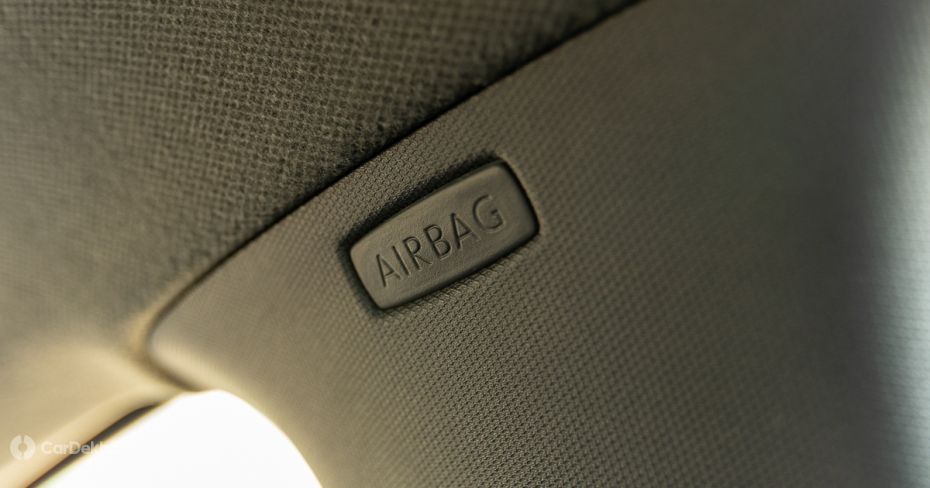
| Standard Safety Features | |
| Electronic Stability Control (ESC) | ABS with EBD |
| 6 Airbags | Rear Parking Sensors |
| Electronic Brakeforce Distribution (EBD) | Multi-collision Brakes (MCB) |
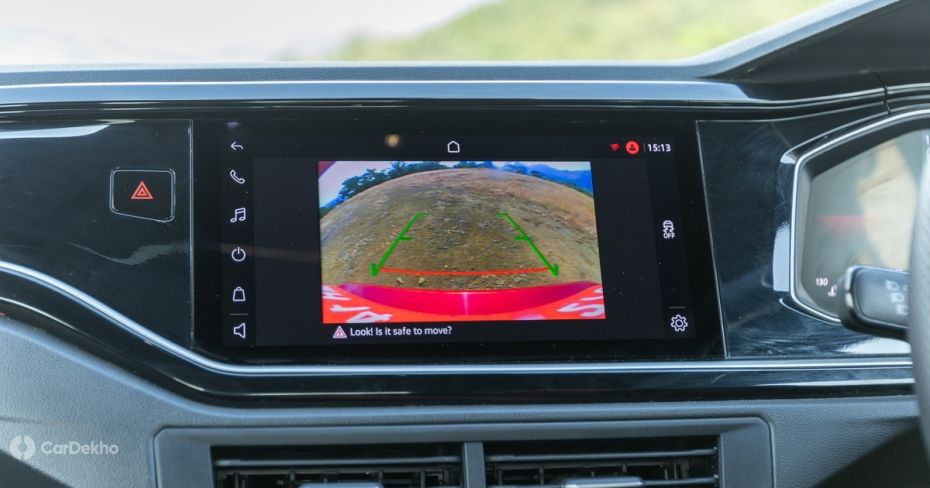
Features like hill-start assist, brake disk wiping and rear parking camera get added in the higher variants. The quality of the rear view camera could be significantly better and it lacks dynamic guidelines too. Rivals such as the Hyundai Verna and Honda City offer ADAS as well, with helpful features such as adaptive cruise control, auto emergency braking, and lane keep assist. These features would’ve improved an already impressive package.
The Virtus has scored a full five star crash test rating from the Global NCAP.
Boot Space
With 521-litres of on-paper space, the Virtus’ boot is generous. The loading lip isn’t too high, which makes loading and unloading the luggage fairly simple. It isn’t very deep, but it is wide and long, which means it can easily accommodate full-size suitcases.
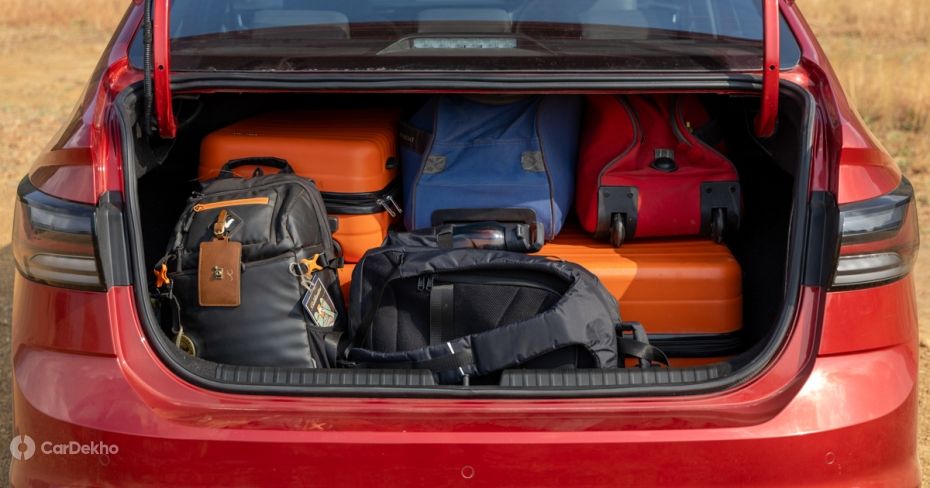
So a full suitcase set, including one small, medium and large suitcase can be stored along with a couple of duffel bags and laptop bags. The rear seats also have a 60:40 split, which open up a near flat floor for you to store larger items as well.
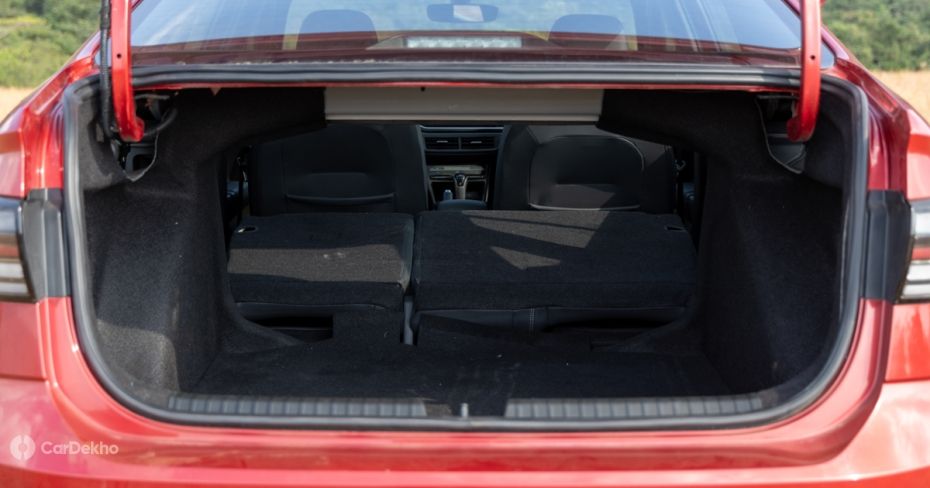
The Virtus gets a 16-inch spare tyre, which can be found underneath the boot floor along with the tools.
Performance
Specifications
| Engine | 1-litre turbo | 1.5-litre turbo |
| Power | 115PS | 150PS |
| Torque | 178Nm | 250Nm |
| Transmission | 6-speed MT / 6-speed AT | 7-speed DCT |
The Volkswagen Virtus offers two turbo-petrol engine options: a 1-litre, 3-cylinder unit and a 1.5-litre, four-cylinder unit. The output from the 1-litre engine is comparable to that of a 1.5-litre naturally aspirated (non-turbocharged) engine, whereas the larger 1.5-litre engine delivers performance expected from cars in a segment above.
1-litre turbo-petrol
Despite being a three cylinder engine, Volkswagen has tuned it well to keep the noise and vibrations under control. There are minute vibrations at idle, but the refinement is impressive overall, especially even when you’re accelerating hard.
City Performance
This engine might be small on paper, but the performance is actually on par, if not quicker than the bigger (non-turbo) petrol engines that the rivals in the segment offer.
The boost in performance when the turbo kicks in isn’t aggressive. You feel the surge in power, but it doesn’t come in all of a sudden or take you by surprise. As a result, the performance is manageable in the city and you won’t have to plan your overtakes. At lower RPMs, it keeps up pace with city traffic with ease, so you won’t find yourself changing gears that often. You can stay in second or third gear for city drives very easily.
The weight of the clutch is balanced, and with a progressive release point, the manual is easy to use in the city. In fact, the gear shifts are slick, the gates are well defined and you won’t have trouble slotting in a gear. So the manual isn’t just easy, but also fun to use.
I found the automatic transmission to be more convenient in heavy traffic situations. The shift logic is well tuned, it keeps you in the right gear and doesn’t upshift too early. It is smooth in most cases, you won’t feel any jerks, and it is quick enough too when you ask for a sudden overtake.
Where this engine disappoints is in the fuel efficiency department as you can only expect a figure of around 10kmpl in the city.
Highway Performance
While highway performance isn’t exciting, the engine doesn’t take a lot of time to reach triple digit speeds. The engine cruises at 100kmph comfortably at 2000rpm, and even has performance to make overtakes beyond those speeds. But you will have to downshift to fifth or fourth to make that overtake happen without a lot of delay. This is far easier in the automatic, where you simply have to stomp on the accelerator to make the overtake.
If you’re cruising with a light foot, you can expect a fuel efficiency of around 17-19kmpl on the highway.
1.5-litre turbo-petrol engine
This four cylinder engine impresses in every parameter, be it refinement, performance or even fuel efficiency. It is silent and smooth from the get go, and you will barely ever notice any vibrations from the engine.
City Performance
With healthy output figures, the performance of the Virtus’ 1.5-litre turbo-petrol engine feels quick in the city. The acceleration is strong, as it builds speed in a smooth manner and it retains the same smooth trait in bumper to bumper traffic.
The dual clutch transmission is so good, both in terms of smoothness and speed, that you don’t really need the manual to extract the best possible performance.
In regular city commutes, the shifts are silky smooth to the level that I didn’t even feel them. And when you ask for a quick pass on a slow moving vehicle, the dual clutch automatic (DCT) is super responsive, drops a gear quickly and helps you make that overtake without any stress.
Surprisingly, fuel efficiency is quite similar to the smaller 1.0-litre engine, and you can expect around 10kmpl in the city.
Highway Performance
Open stretches of road is where this engine truly comes alive. Hitting triple digit speeds is like second nature for this engine, and it cruises effortlessly at 100kmph at 1950rpm when in seventh gear.
For a quick overtake with the automatic, all you need to do is press the pedal, and the gearbox will quickly downshift a gear or two, and help you make that overtake without any effort.
In gear acceleration is strong too, and I can’t really think of any instance where you will feel that the performance is inadequate.
The fuel efficiency of this bigger engine is actually impressive on the highway, thanks to the cylinder deactivation technology. Basically, under low load/cruising conditions, the engine shuts off two of the cylinders to improve efficiency and it shows in the test figures, where we achieved an impressive efficiency of 18.87kmpl.
If I were to pick a single drivetrain combo, it would be the 1.5-litre turbo petrol with the DSG. While the 1-litre engine is smooth, refined and packs enough performance for city and relaxed highway usage, the bigger engine just does all of that in an effortless manner. The DCT complements that effortless performance of the bigger engine, but also offers a smooth experience in the city.
Ride and Handling
Ride Quality
The suspension setup of the VW Virtus leans on the stiffer side, but with good dampening, the car is able to offer a rather comfortable ride quality. The suspension has long travel or range of motion, so it is able to absorb bigger and deeper potholes too, without translating jerks or sound inside the cabin.
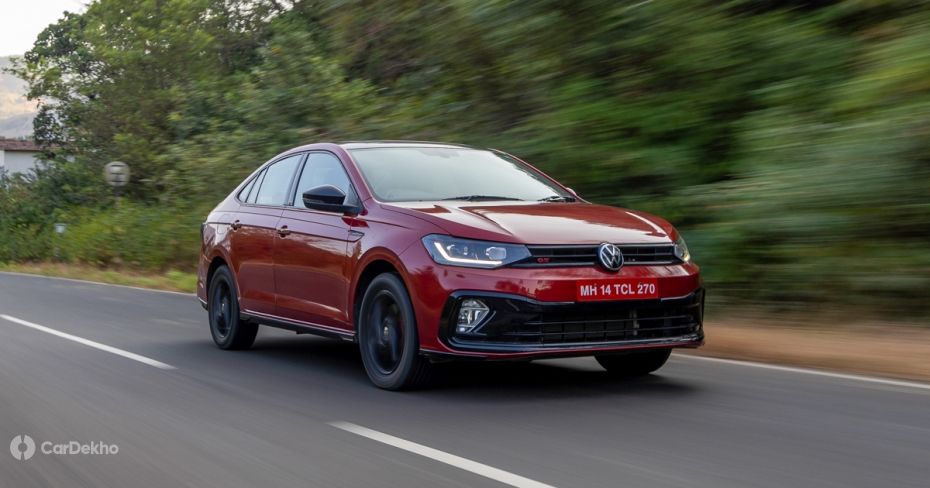
The Virtus has a ground clearance of 179mm, which is enough to give you confidence over rough roads. I drove the sedan over some really big speedbreakers, and even with occupants inside the vehicle, the car’s bottom did not scrape anywhere.
It keeps you comfortable in the city as the suspension absorbs all speedbreakers, bumps and rough roads without a lot of body movement inside the vehicle. Even over the sharp bumps, the absorption is good, and the car settles back very naturally after going over any expansion joint or undulation on the highway.
Handling
The Volkswagen Virtus, isn’t a sport sedan that prioritises performance and lap times. Yet, the car’s handling setup is super enjoyable.
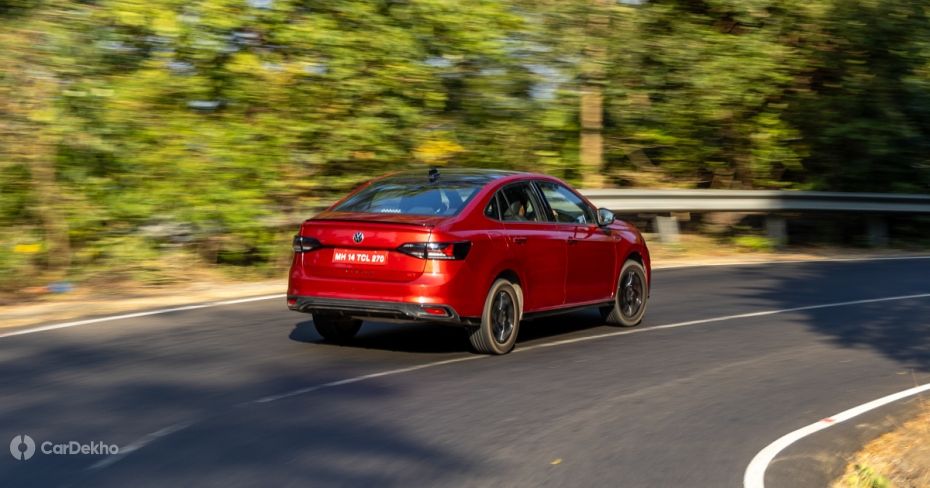
In the city, the steering wheel is easy to use and maneuver. It doesn’t take a lot of effort to take u-turns or to place the car in a tight parking spot.
But as you increase the speed, it gives you confidence to maintain those higher speeds. The steering feels direct and reassuring while making a quick high-speed lane change and the car just simply obeys all your inputs. The stability around a high speed corner is truly impressive and the body roll inside is controlled. I really enjoyed driving this car on fast flowing ghat roads around Pune.
With such a good balance of a comfortable ride and competent handling manners, the Virtus offers a setup that can be enjoyed by everyone, right from a new learner to someone who carves corners for a living.
If the VW Vitus intended to be a comfortable family sedan that looks sporty, it has not only achieved that, but also surpassed that trait by harnessing the sportiness from its looks and applying it to the feel of driving.
Variants
The Volkswagen Virtus is available in two lines: Chrome and Sport.
The Sport Line VW Virtus is further available in two variants: GT Line and GT Sport.
The Chrome Line VW Virtus is available in five variants: Comfortline, Highline, Highline Plus, Topline, and GT Plus.
VW Virtus Chrome Line
Comfortline
-
Gets a full LED setup with LED headlights, LED DRLs and LED tail lights. Sits on 16-inch steel wheels with covers.
-
Dual tone interior covers functional features like powered windows, manual AC, central locking and steering mounted controls.
-
The infotainment package gets a 7-inch touchscreen system with 8 speakers and wired Android Auto and Apple CarPlay.
-
6 airbags, electronic stability control (ESC), ABS with EBD, and rear parking sensors are standard fitments.
Highline
-
Better looks with fog lights, 16-inch alloy wheels and silver accents all around.
-
Cruise control is the only highlighting functional feature improvement.
-
Better infotainment experience with a bigger 10.1-inch touchscreen system and wireless Android Auto and Apple CarPlay.
-
No changes in the safety kit.
Highline Plus
-
Adds push button start/stop and an electric sunroof to the features list.
Topline
-
More premium looks with fancy 16-inch dual tone alloy wheels.
-
The cabin feels more premium with leatherette seats.
-
Adds ventilated seats to the features list.
-
Improved audio experience with a ‘digital sound package with amplifier and subwoofer’/
GT Plus
-
Only Chrome Line variant to get 1.5-litre turbo-petrol engine.
VW Virtus Sport Line
GT Line
-
Premium and sporty looks with full LED headlights, LED DRLs and LED tail lights that have a smoked effect. Sits on blacked out 16-inch alloys.
-
Gets a 10.1-inch infotainment system with wireless Android Auto and Apple CarPlay and an 8-speaker sound system.
-
Features include keyless entry, push button start/stop, electric sunroof and cruise control.
-
Safety kit gets 6 airbags, electronic stability control (ESC), ABS with EBD, and rear parking sensors.
GT Plus Sport
-
Leatherette seats add a premium feel to the cabin.
-
Adds ventilated seats to the features list.
CarDekho Recommends:
-
The Highline variant of the Chrome Line offers a good balance of functional and feel good features, making it our recommended option.
-
GT Plus variant of the Chrome Line can be considered for its performance. Premium is justified for the increase in performance.
-
The Sport Line trim can be considered if you want your Virtus to look a little sporty and performance-oriented.
Verdict
If there was ever a sedan that caters to the performance needs of an enthusiast but also takes care of the needs of a family, then it is the Volkswagen Virtus. It delivers a nice balance between performance and comfort, irrespective of the engine you choose. Yes, interior quality could be slightly better, and those with heavy usage might want to take note of its average fuel efficiency. For everything else, whether its space, features or performance — the Virtus delivers a complete experience.
Other Cars To Consider Instead Of Volkswagen Virtus
Honda City/ City Hybrid
Reasons to consider
-
Cabin layout and theme is more family friendly
-
Non hybrid variants are significantly more affordable
-
Hybrid variant is super efficient
Reasons to ignore
-
Performance isn’t as punchy
Hyundai Verna
Reasons to consider
-
Option of a naturally aspirated petrol engine
-
Cabin feels more premium
-
Better rear seat experience
-
More features like ADAS and dual zone climate control
Reasons to ignore
-
Polarising looks
-
No wireless support for Android Auto/Apple CarPlay
Skoda Slavia
Reasons to consider
-
Offers more subtle styling
Reasons to ignore
-
Skoda service is a hit or a miss
Pros & Cons of Volkswagen Virtus
Things We Like
- Sophisticated look: Classy, understated styling. Sporty GT variant on offer too
- Feature-loaded: 8-inch digital driver’s display, 10.1-inch touchscreen, ventilated seats, electric sunroof are among the highlights
- Great boot space: 521 litre boot is segment leading. 60:40 split rear seats bumps up practicality
Things We Don't Like
- Less rear seat space: Lack of width and strong seat contouring means the Virtus is best used as a four seater
- Limited powertrains: No diesel of hybrid engine options. City offers a strong hybrid powertrain.
Volkswagen Virtus comparison with similar cars
Rs.10.50 - 19.20 Lakh* | Rs.10 - 18.19 Lakh* | Rs.10.99 - 18.41 Lakh* | Rs.12 - 21.36 Lakh* | Rs.11 - 19.30 Lakh* | Rs.11.81 - 16.98 Lakh* | Rs.8.55 - 14.11 Lakh* | Rs.11.49 - 21.29 Lakh* |
| RatingUser Review (474) | RatingUser Review (353) | RatingUser Review (19) | RatingUser Review (8) | RatingUser Review (7) | RatingUser Review (526) | RatingUser Review (39) | RatingUser Review (321) |
| TransmissionAutomatic / Manual | TransmissionManual / Automatic | TransmissionAutomatic / Manual | TransmissionManual / Automatic | TransmissionManual / Automatic | TransmissionManual / Automatic | TransmissionManual / Automatic | TransmissionManual / Automatic |
| Engine999 cc - 1498 cc | Engine999 cc - 1498 cc | Engine1482 cc - 1497 cc | Engine1498 cc | Engine999 cc - 1498 cc | Engine1498 cc | Engine1199 cc | Engine1497 cc - 1498 cc |
| Fuel TypePetrol | Fuel TypePetrol | Fuel TypePetrol | Fuel TypePetrol | Fuel TypePetrol | Fuel TypePetrol | Fuel TypePetrol | Fuel TypeDiesel / Petrol |
| Power113.98 - 147.51 bhp | Power114 - 147.51 bhp | Power113.18 - 157.57 bhp | Power119.35 - 125 bhp | Power114 - 148 bhp | Power119 bhp | Power80 - 109 bhp | Power105 - 158 bhp |
| Mileage18.12 - 20.8 kmpl | Mileage18.73 - 20.32 kmpl | Mileage- | Mileage27.26 kmpl | Mileage19.98 kmpl | Mileage15.31 - 16.92 kmpl | Mileage18 - 19.5 kmpl | Mileage- |
| Boot Space521 Litres | Boot Space521 Litres | Boot Space528 Litres | Boot Space506 Litres | Boot Space385 Litres | Boot Space458 Litres | Boot Space470 Litres | Boot Space622 Litres |
| Airbags6 | Airbags6 | Airbags6-7 | Airbags6 | Airbags6 | Airbags6 | Airbags6 | Airbags6 |
| GNCAP Safety Ratings5 Star | GNCAP Safety Ratings5 Star | GNCAP Safety Ratings- | GNCAP Safety Ratings- | GNCAP Safety Ratings5 Star | GNCAP Safety Ratings- | GNCAP Safety Ratings- | GNCAP Safety Ratings- |
| Currently Viewing | Virtus vs Slavia | Virtus vs Verna | Virtus vs City | Virtus vs Taigun | Virtus vs Elevate | Virtus vs Basalt X | Virtus vs Sierra |
Volkswagen Virtus news
- Latest News
- Road Test
Volkswagen Virtus user reviews
- All (474)
- Looks (148)
- Comfort (203)
- Mileage (94)
- Engine (132)
- Interior (105)
- Space (53)
- Price (64)
- More...
- Latest
- Helpful
- Dashboard Modern Lagta Hai.Touchscreen Infotainment Android Auto Aur Apple CarPlay Support Karta Hai.AC Cooling Achhi Hai.Plastic Quality AvStylish SUV look, achha ground clearance (Indian roads ke liye badhiya), petrol engine ka mileage lagbhag 17-20 km/l (variant aur driving par depend karta hai), Features achhe milte hain, especially top variants mein, city driving ke liye comfortable dashboard modern lagta hai. Touchscreen infotainment android auto aur apple carPlay support karta hai. AC cooling achhi hai. Plastic quality average hai, lekin fit-finish theek hai.Read More
- Comfort And SpeedCar is a very stylish and features are amazing look are mind-blowing and engine is very good. Car mileage is ok. It would have been better mileage. The car were available in diesel variant. The ground clearance is quite good for a sedan. This car feels like a true luxury vehicle. The car performs very well on the road.Read More1
- Best Overall German CarSuper car. German is german, no doubt in quality of interior and exterior is super, good at night. The looks of the car is killer and superior and also their gear box is super stable and too good to be true without any feeling of change of gear to the passengers. Light is super at night time without any eye pain to front vehicle.Read More1
- My Fvt CarThis is my favourite car as I love the virtus gt. It is a turbo charged engine. Awesome look design. Has many varient available in the virtus. Different colour options. As from my opinion, if you are seeing a car around 20 lakhs budget, buy virtus gt without comparing. You can blindly trust the car virtus gt.Read More1
- Comfortable, Looks Classy And Feels LuxuryGear shift is smooth as butter. I've seen tha best AC ever in a car. Seats are so comfortable and classy look, dark steel colour seems as rocket. Overall nice experience and gives a premium feel. Very nice car. Interior gives a premium feel and seats are very comfortable. I've never seen a rocket like this.Read More1
- View All Virtus Reviews
Volkswagen Virtus mileage
The Volkswagen Virtus is available only in the Petrol fuel option. The mileage of the Volkswagen Virtus is 18.12 kmpl to 20.8 kmpl with manual/automatic.
| Fuel Type | Transmission | ARAI Mileage |
|---|---|---|
| Petrol | Manual | 20.8 kmpl |
| Petrol | Automatic | 19.62 kmpl |
Volkswagen Virtus videos
- 15:49Volkswagen Virtus GT Review: The Best Rs 20 Lakh sedan?1 year ago106K Views
Are you confused?Ask anything & get answer in 48 hours
FAQs on Volkswagen Virtus
Virtus price in India
Trending Volkswagen cars
- Popular
- Upcoming
- Volkswagen TaigunRs.11 - 19.30 Lakh*
- Volkswagen TayronRs.41.99 - 47.74 Lakh*
- Volkswagen Tiguan R-LineRs.47.11 Lakh*
- Volkswagen Golf GTIRs.50.91 Lakh*
Popular Sedan cars
- Trending
- Upcoming
- Maruti Suzuki DzireRs.6.31 - 9.41 Lakh*
- Hyundai VernaRs.10.99 - 18.41 Lakh*
- Hyundai AuraRs.6 - 8.60 Lakh*
- Honda CityRs.12 - 21.36 Lakh*
- Skoda SlaviaRs.10 - 18.19 Lakh*
Popular electric cars
- Maruti Suzuki e VitaraRs.16.19 - 20.21 Lakh*
- Tata Punch EVRs.9.69 - 12.79 Lakh*
- Mahindra BE 6Rs.19.45 - 26.95 Lakh*
- Tata Tiago EVRs.6.99 - 9.99 Lakh*
- Mahindra XEV 9eRs.21.90 - 31.25 Lakh*
Volkswagen Virtus latest updates
- January 16, 2026: Volkswagen has discontinued the 1.5-litre turbo-petrol engine with the manual gearbox option of the Virtus.